Purify Your Wealth. Uplift Those in Need.

Zakat is one of the five pillars of Islam — an obligation to give a portion of your wealth to those who need it most. NRF ensures your Zakat reaches verified, eligible recipients with care and transparency.
What is Zakat?

Zakat is an obligatory act of worship requiring every eligible Muslim to give 2.5% of qualifying wealth to those in need. The word comes from the Arabic for "to purify" and "to grow," reflecting the belief that giving purifies wealth and causes it to grow in blessing.


Zakat is not charity in the conventional sense. It is a right the poor and vulnerable have over the wealth of those who are able to give. It is prescribed in the Qur'an and is both a spiritual obligation and a social mechanism designed to redistribute wealth and ensure no member of the community goes without.


The standard rate is 2.5% of qualifying wealth held for one full lunar year (Hawl) that exceeds the minimum threshold (Nisab).

Who Must Pay Zakat?

Zakat is obligatory on every adult Muslim who meets the following conditions: 

Ownership of wealth above the Nisab threshold

You must own qualifying wealth that meets or exceeds the Nisab — the minimum amount below which Zakat is not due. The Nisab is based on the value of gold or silver.

Condition 2 — Wealth held for one lunar year (Hawl)

The qualifying wealth must have been in your possession for one complete lunar year. If your wealth drops below the Nisab during the year and then rises again, the Hawl resets.

Condition 3 — The wealth is surplus to basic needs
Zakat is calculated on wealth that is surplus to your essential living needs, debts, and obligations.
The Nisab value fluctuates with the market price of gold and silver. Most scholars recommend using the silver Nisab (the lower threshold) to ensure that more people fulfil their obligation and more recipients benefit. NRF recommends checking current prices on your Zakat date.

What Types of Wealth Are Subject to Zakat?

Zakat applies to several categories of wealth. The most common in the modern context are: 

Cash and Bank Savings

All cash holdings, current accounts, savings accounts, and fixed deposits. Rate: 2.5%.

Gold and Silver

Gold and silver in any form — jewellery, coins, bars, or bullion — that exceeds the Nisab. Rate: 2.5%. (Note: scholars differ on whether personal jewellery worn regularly is exempt. Consult your scholar.)

Investments and Shares

The Zakatable value of stocks, shares, mutual funds, and other financial instruments. Rate: 2.5% of the Zakatable portion.

Trade Goods

The current market value of goods purchased for resale. Rate: 2.5%.

Rental Income

Some scholars require Zakat on accumulated rental income that has been saved for one year. Consult your scholar for guidance.

Debts Owed to You

Money owed to you that you expect to recover may be subject to Zakat. Scholars differ on the details.

Agricultural Produce and Livestock

These categories have specific rates and conditions that differ from the standard 2.5%. They are less common in the UK context but remain relevant for donors with agricultural holdings abroad.
Zakat is not payable on your primary residence, personal clothing, household furniture, or vehicles used for personal transport.

How to Calculate

01

Step 1 — Determine your Zakat date

This is the date on which you assess your wealth each year. It is typically one lunar year from the date your wealth first reached the Nisab. If you do not have a set date, many Muslims use the first of Ramadan as a convenient annual marker.

02

Step 2 — Total your qualifying assets

Add together: cash, bank savings, gold, silver, investments, trade goods, and any debts owed to you that you expect to recover.

03

Step 3 — Deduct liabilities

Subtract: immediate debts due, essential living expenses already committed, and any other legitimate deductions as guided by your school of jurisprudence.

04

Step 4 — Check against the Nisab

If the remaining amount equals or exceeds the Nisab, Zakat is due.

05

Step 5 — Calculate 2.5%

Multiply the qualifying amount by 0.025 (2.5%). The result is your Zakat liability.

Calculation Example

Cash and savings:
Gold jewellery (85g+):
Investments:
Debts owed to you:

£15,000
£4,500
£8,000
£2,000

Total qualifying assets:

£29,500

Immediate debts due:

−£3,000

Net Zakatable amount:

£26,500

Nisab (silver basis, approx.): £350 (illustrative — check current price) 
£26,500 exceeds the Nisab ✓ 

Zakat due (2.5%): £662.50

This is a simplified illustration. Individual circumstances vary. For complex situations — such as business assets, property portfolios, or mixed investments — we recommend consulting a qualified scholar. 

How NRF Distributes Zakat

Verified Recipients

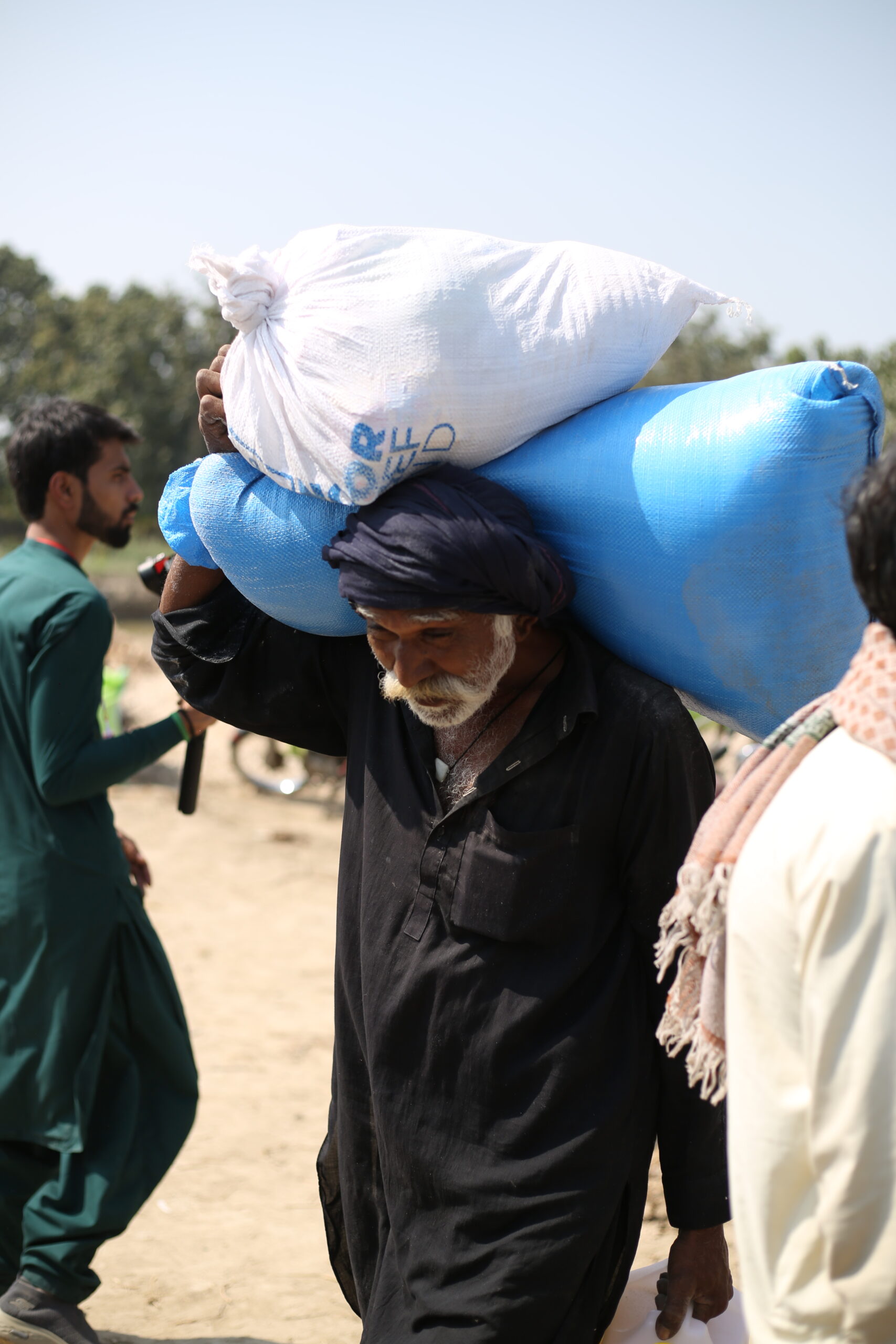
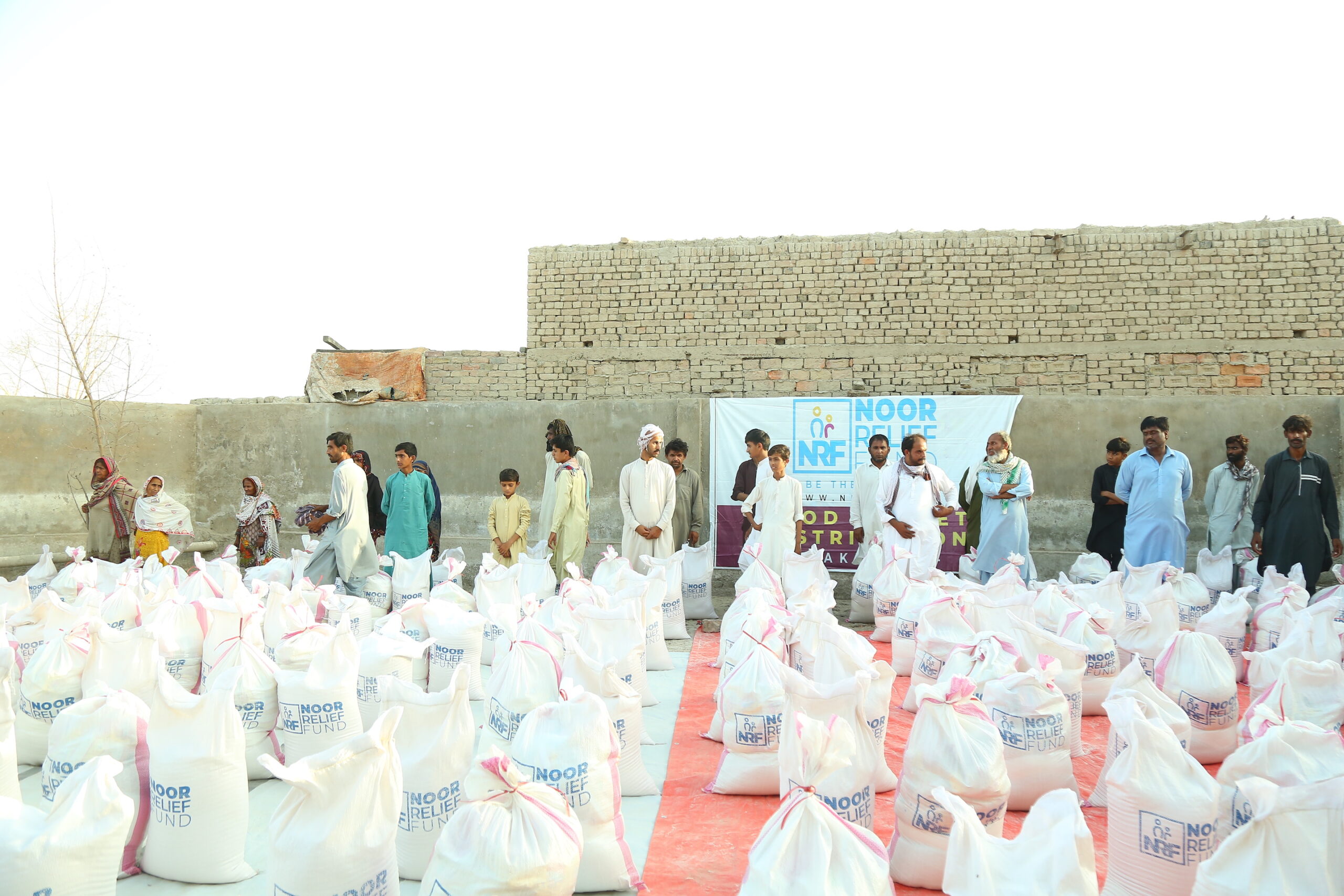
NRF’s field teams in Iraq, Pakistan, Yemen, and East Africa (Kenya, Tanzania, Uganda) identify and verify recipients who fall within the Qur’anic categories. Zakat is not distributed to general programmes — it reaches individuals and families who meet the specific eligibility criteria.

Separated and Tracked

Zakat funds are separated from general donations and other religious dues. They are tracked independently to ensure they are distributed only to eligible recipients and in accordance with Islamic jurisprudence.

Transparent Reporting

NRF provides reporting on Zakat distribution. We are committed to accountability, and donors can request information on how their Zakat was allocated.

Multi-Region Reach

Your Zakat reaches eligible recipients across all four regions where NRF operates — Iraq, Pakistan, Yemen, and East Africa — ensuring the widest possible impact among those who qualify.

Who Must Pay Zakat?

Feature Zakat Khums
Obligation One of the five pillars of Islam Obligatory in Shia Islam
Rate 2.5% of qualifying wealth (standard) 20% of annual surplus income
Applies to Specific categories of wealth (cash, gold, silver, trade goods, etc.) Surplus annual income and certain gains
Threshold Nisab (based on gold or silver value) Any surplus after legitimate expenses
Time condition Wealth held for one lunar year (Hawl) Assessed on annual Khums date
Recipients Eight Qur’anic categories Sahm al-Imam (50%) and Sahm al-Sada (50%)
Distribution To the poor, needy, debtors, travellers, and others as specified Imam’s share to community service; Sayyid share to needy Sayyids
Both Zakat and Khums are obligatory for those who meet the criteria. They are separate duties with different rules, rates, and recipients. Paying one does not exempt you from paying the other.

How to Pay Your Zakat

We provide secure and flexible methods to fulfill your obligation, ensuring your spiritual journey is as seamless as possible.

1

Calculate your Zakat using the guide above or the downloadable template.

2

Choose your payment method: Online,

Bank Transfer (Ref: KHUMS + your name),

PayPal (info@nrf.org.uk),

Phone (+44 (0) 20 8064 1903),

WhatsApp (+44 (0) 7432 722001),

or Cheque/Postal Order to Noor Relief Fund, 4 Dalston Gardens, Stanmore, HA7 1BU.

3

Receive confirmation and, upon request, distribution information.

Fulfill Your Zakat Now

Frequently Asked Questions

What is Zakat?
How is Zakat different from Sadaqah?
What is the Nisab?
Do I pay Zakat on my house or car?
Do I pay Zakat on my pension?
Do I pay Zakat on a property I rent out?
Can I pay in instalments?
Can I pay Zakat in advance?
Is my Zakat payment eligible for Gift Aid?
How does NRF ensure my Zakat goes to eligible recipients?
Can I specify which country my Zakat goes to?
Can I give Zakat to non-Muslims?
I pay Khums. Do I still need to pay Zakat?

Fulfil Your Obligation. Purify Your Wealth.
Uplift Those in Need.

Zakat is not just a payment — it is a pillar of your faith. It purifies what you own and provides for those who have a right over your wealth. Pay your Zakat through Noor Relief Fund and know that it will reach verified, eligible recipients across the communities that need it most.