
Unable to Fast? Fidya Ensures No One Goes Hungry.
If illness, old age, or a chronic condition prevents you from fasting, Fidya allows you to fulfil your duty by feeding a person in need for every fast you cannot keep.
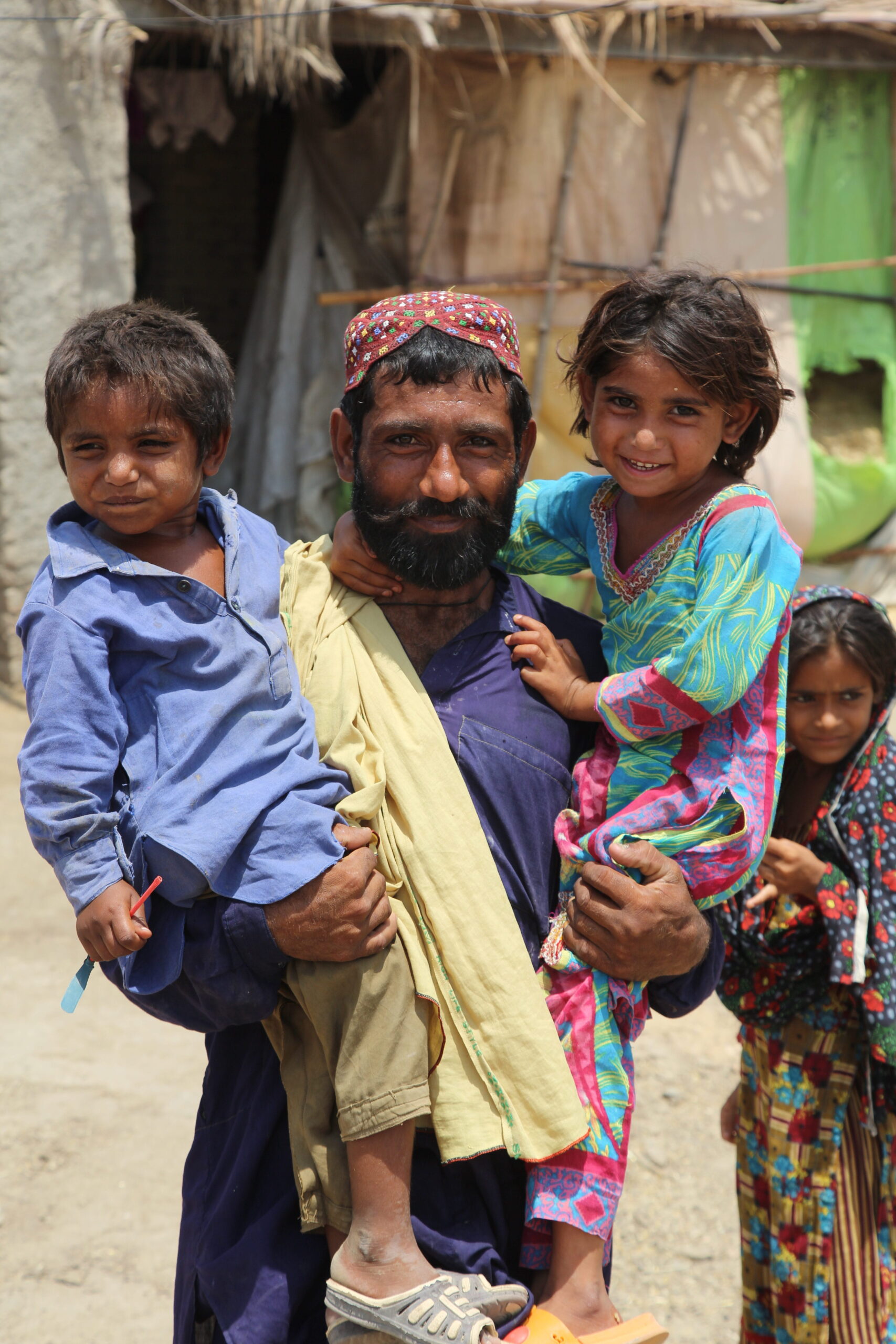
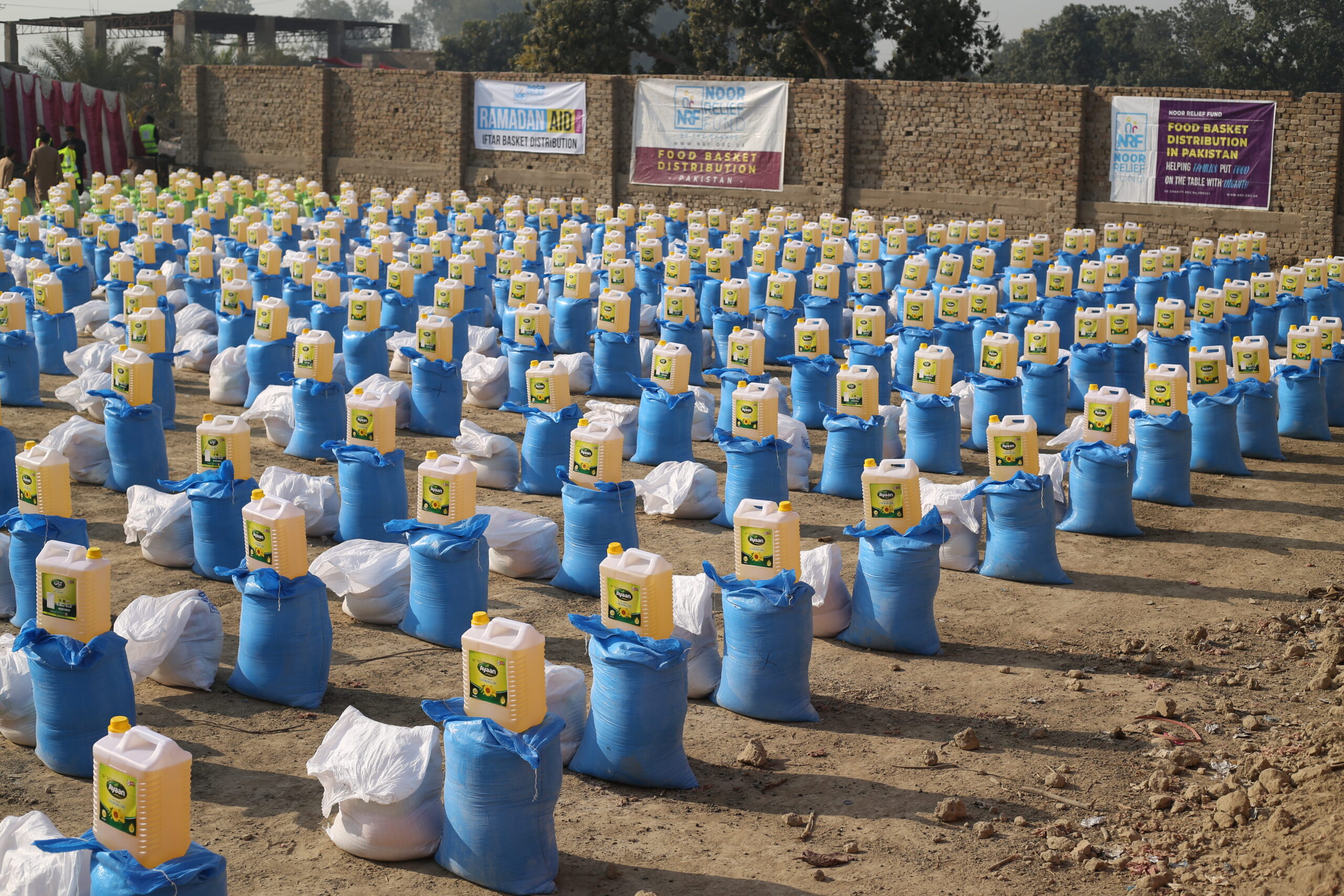
A Merciful Provision
Fidya is a compensation paid when a Muslim is unable to fast during Ramadan due to a valid, long-term reason and has no reasonable expectation of making up the missed fasts in the future.
It is rooted in the Qur'an (Surah al-Baqarah, 2:184). Fidya is not a penalty. It is a merciful acknowledgement that not everyone is able to fast, and a means by which those who cannot still participate in the spirit of Ramadan by ensuring the poor are fed.
For each missed day, you pay the cost of feeding a person in need. The food is provided to the poor so the act of worship is completed through feeding rather than fasting.
Who Pays Fidya?
Fidya is paid by those who cannot fast and cannot make up the missed fasts later.
Important: If you missed fasts due to a temporary illness or travel and can make them up later, Fidya is not required. You should instead make up the missed fasts (Qada).
How Much Is Fidya?
01
£[X] per missed fast (updated annually before Ramadan)
02
Full month missed (30 days): 30 x £[X] = £[30X]
03
Partial month (e.g. 10 days): 10 x £[X] = £[10X]
How to Calculate Your Fidya
If you are unsure how many fasts to account for — particularly when paying on behalf of a deceased relative — consult a qualified scholar or contact NRF for guidance.
Fidya vs. Fitra vs. Kaffara
| Fidya | Fitra | Kaffara | |
|---|---|---|---|
| What is it? | Compensation for fasts that cannot be made up | Obligatory payment at the end of Ramadan | Penalty for deliberately breaking a fast |
| Who pays? | Those unable to fast (chronic illness, old age, permanent condition) | Every Muslim with sufficient means | Those who deliberately broke a fast |
| When? | When inability becomes clear | Before Eid al-Fitr prayer | When the violation occurs |
| Amount | £[X] per missed fast | £[X] per person | £[X] per broken fast (60 meals) |
| Purpose | Feed the poor in place of fasting | Ensure the poor can celebrate Eid | Atonement for a serious violation |
Looking for Fitra? Visit our Fitra page. Looking for Kaffara? Visit our Kaffara page.
How NRF Distributes Your Fidya

Three Steps to Fulfillment
01
Step 1: Count
02
Step 2: Choose
03
Step 3: Pay
Frequently Asked Questions
You Cannot Fast.
But You Can Still Feed.
Fidya allows those who cannot fast to participate in the spirit of Ramadan by ensuring someone who has nothing will eat because of your generosity.